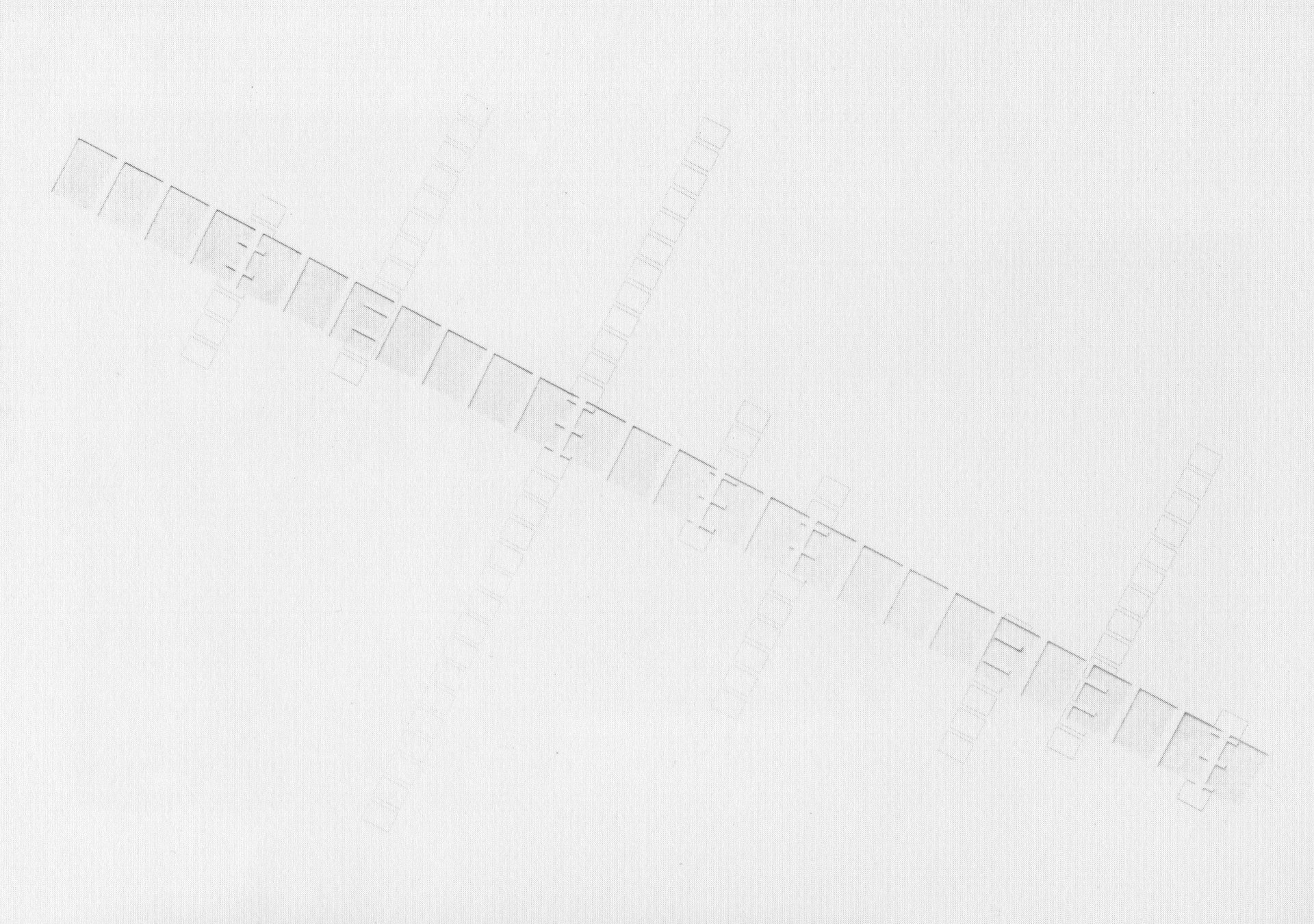
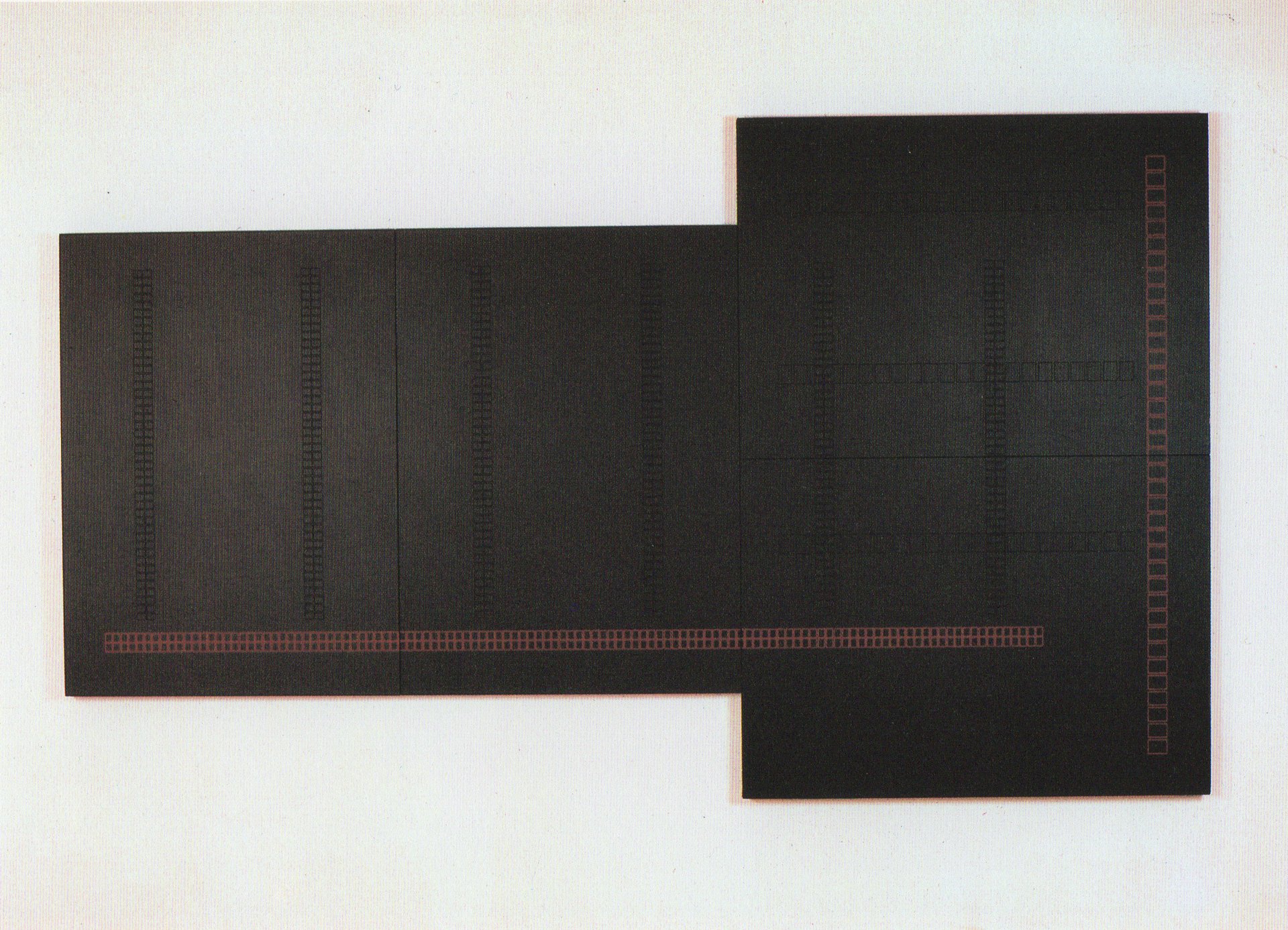
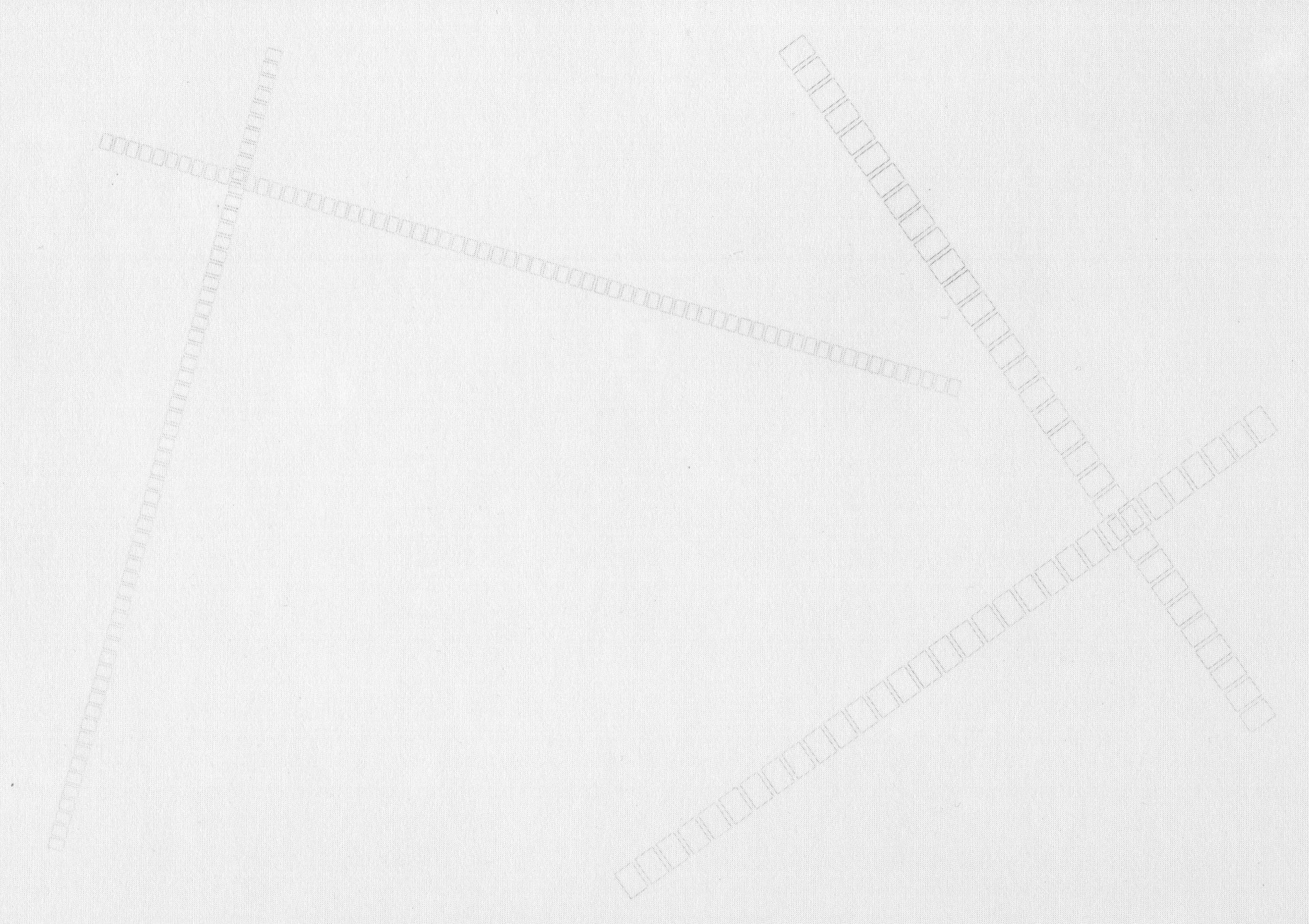
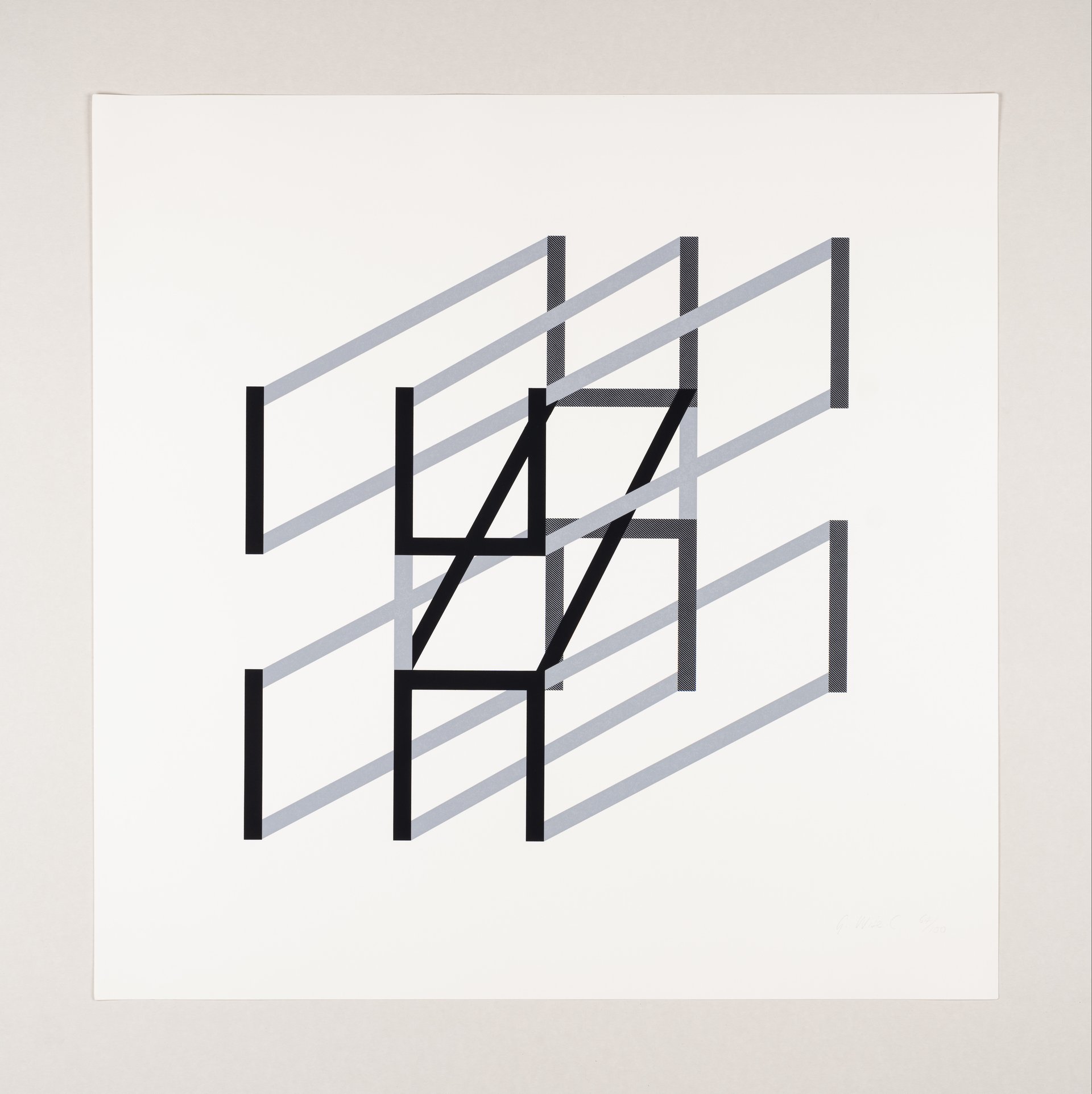
lars englund assembles complex structures from identical modules, building blocks – lego, one might assume – with all the rational advantages that such an approach offers. but on closer inspection, one is struck to discover that he invents a new module for each montage, has it laboriously manufactured, so that each montage becomes a model whose further possibilities he does not exploit, unlike other artists who work in series. he finds his way back to a variety of building blocks, modules, and ways of connecting them, similar to the botanical world.
in his installations and objects, gianni colombo succeeded in confronting us directly with the cultural achievements we are familiar with. the vertical (upright walking, the wall), the horizontal (sleeping in bed, the table, the floor), the sloping, as a dynamic transformation of the vertical into a forward movement. like schlemmer, he made shapes such as cubes and cones move, off-center and out of sync, so that viewers standing upright felt crooked and out of place. he designed “ugly” staircases, with every conceivable angle and tilt, which immediately and directly irritated the user, putting them in a “crooked position” and making them aware of how thin the ice of self-evidence is. he loved the beauty of the gluttonous figures on the bauhaus staircase, projecting onto them the dynamism of marcel duchamp's “nude descending a staircase” (1911), and he created for us the opportunity to observe these qualities attentively through his “bariestesia” stumbling stairs.
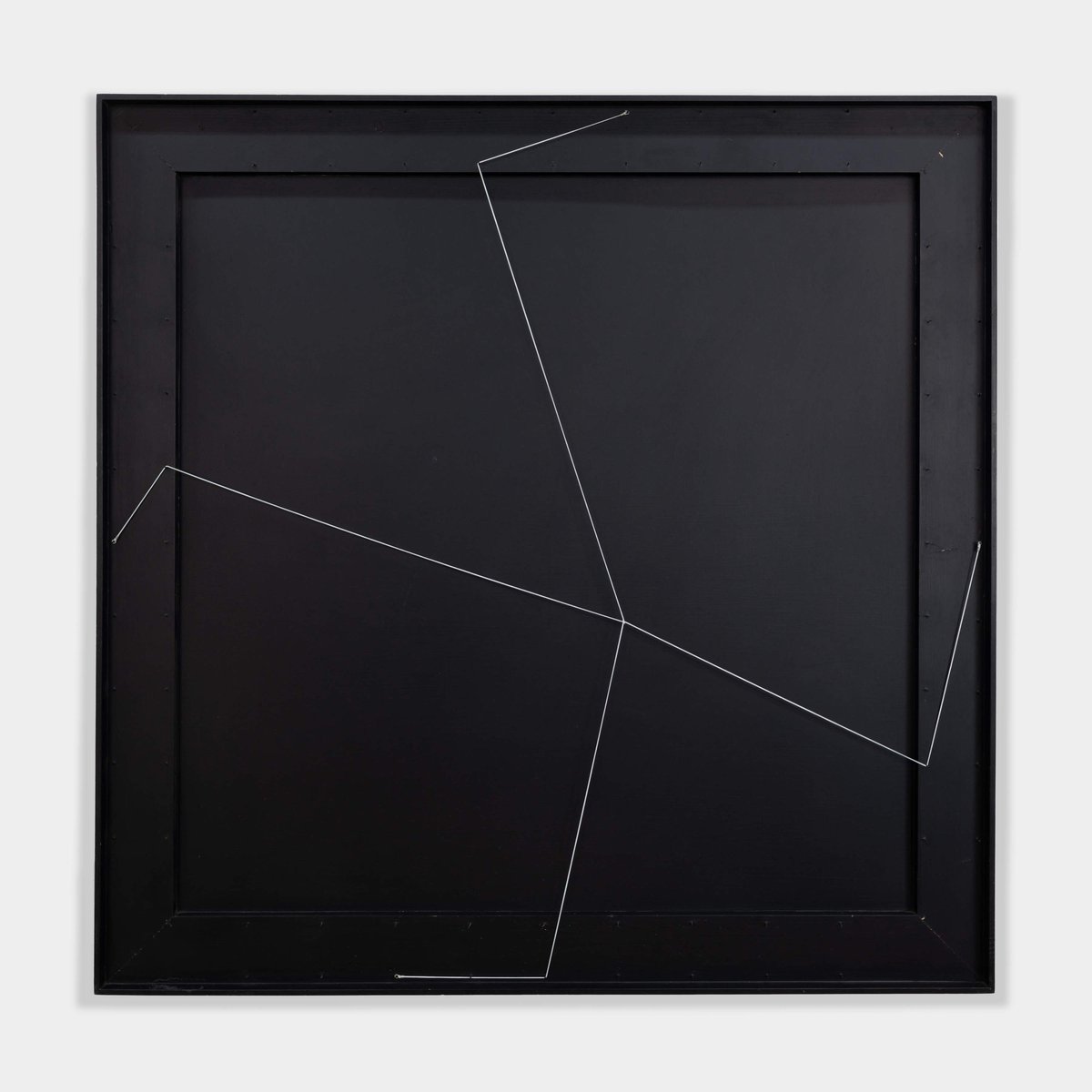
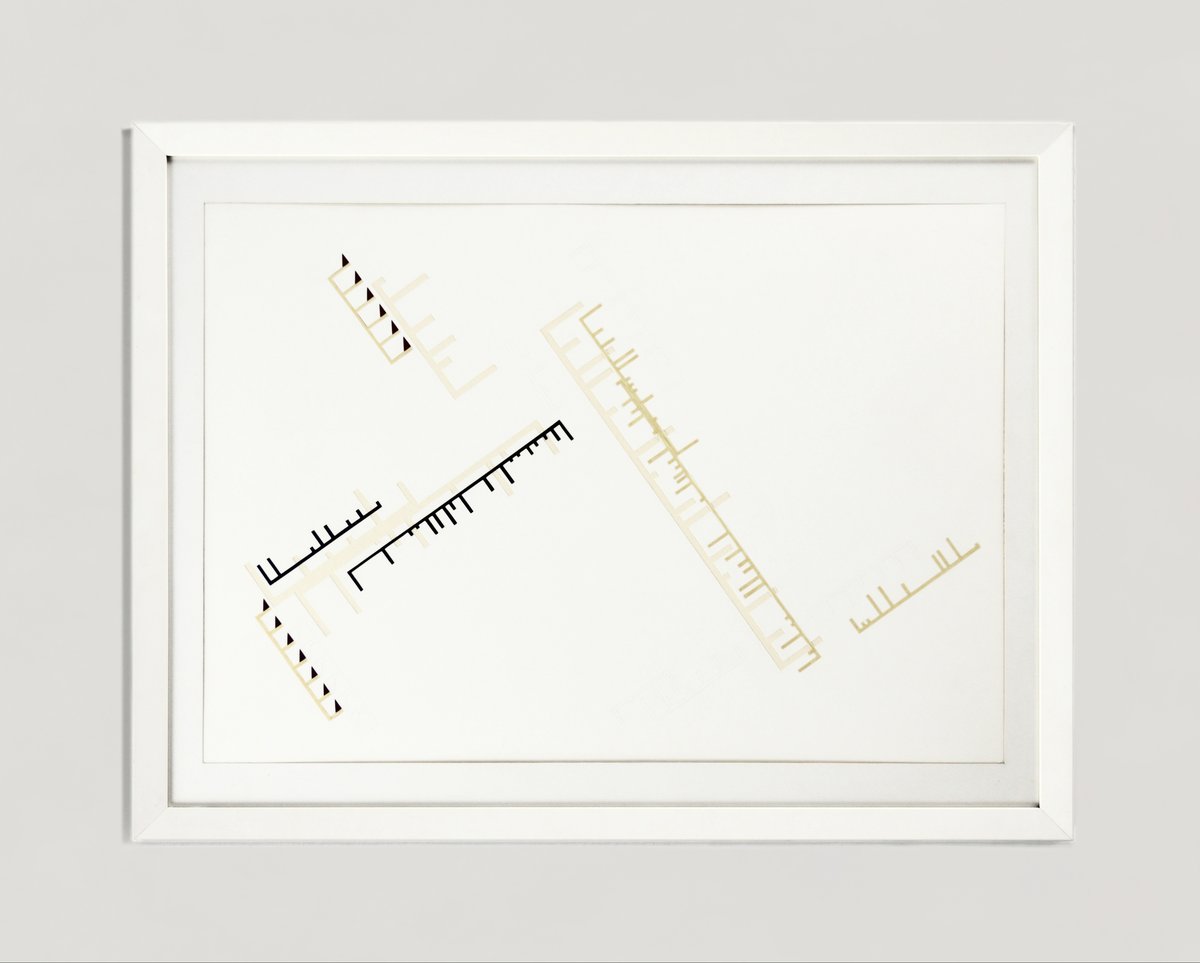
in his magnetic drawings, eric snell allows an open structure, e.g., a string with magnets attached to both ends, to close into a shape by deflecting it via positioned nails in such a way that a gap remains between the attracting magnets. geometric experience and imagination allow us to close the shape, even though our eyes see that the gap is open and our knowledge of gravity tells us that the object must fall. in this way, we “see” the “invisible” magnetic energy.
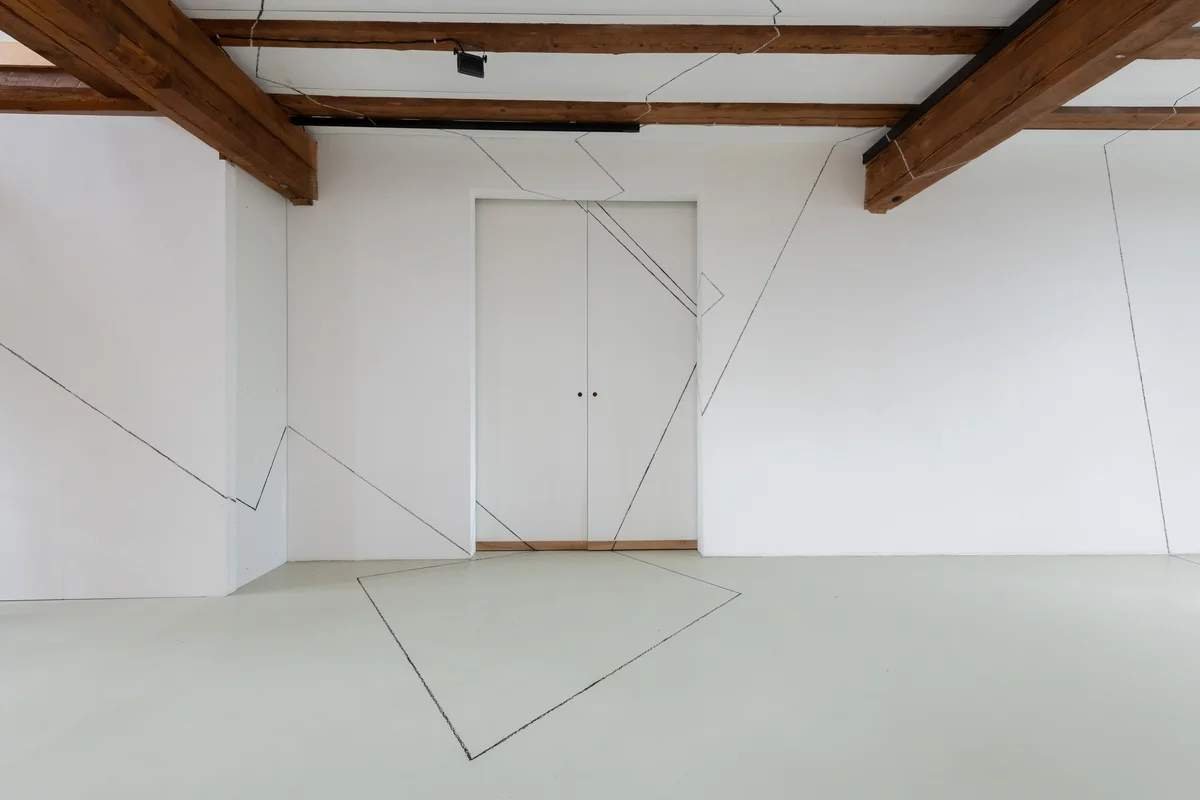
gary woodley has a very complex understanding of geometry. in his autonomous objects, he suspends concepts such as inside and outside, right and left, front and back. he relativizes them through the method of intertwining as a möbius strip, or approximation to a möbius surface. his works in architecture are analyses of spaces, form, their construction, and connection. he dissects a building, as it were, cutting it in his imagination and marking this cut with a line. ideally, a clear cutting line emerges, but in reality, every deviation, every strip, every box, plug, ceiling grid, fire alarm, etc. appears to the viewer as an obstacle and deflection of the line. he consciously integrates this into his planning. gary woodley has never encountered the perfect, real-life space, except in his autonomous spatial models. he knows this and works on this friction between imagination and reality. together, they produce a new form that leaves you in a state of cheerful awe as you move through it.
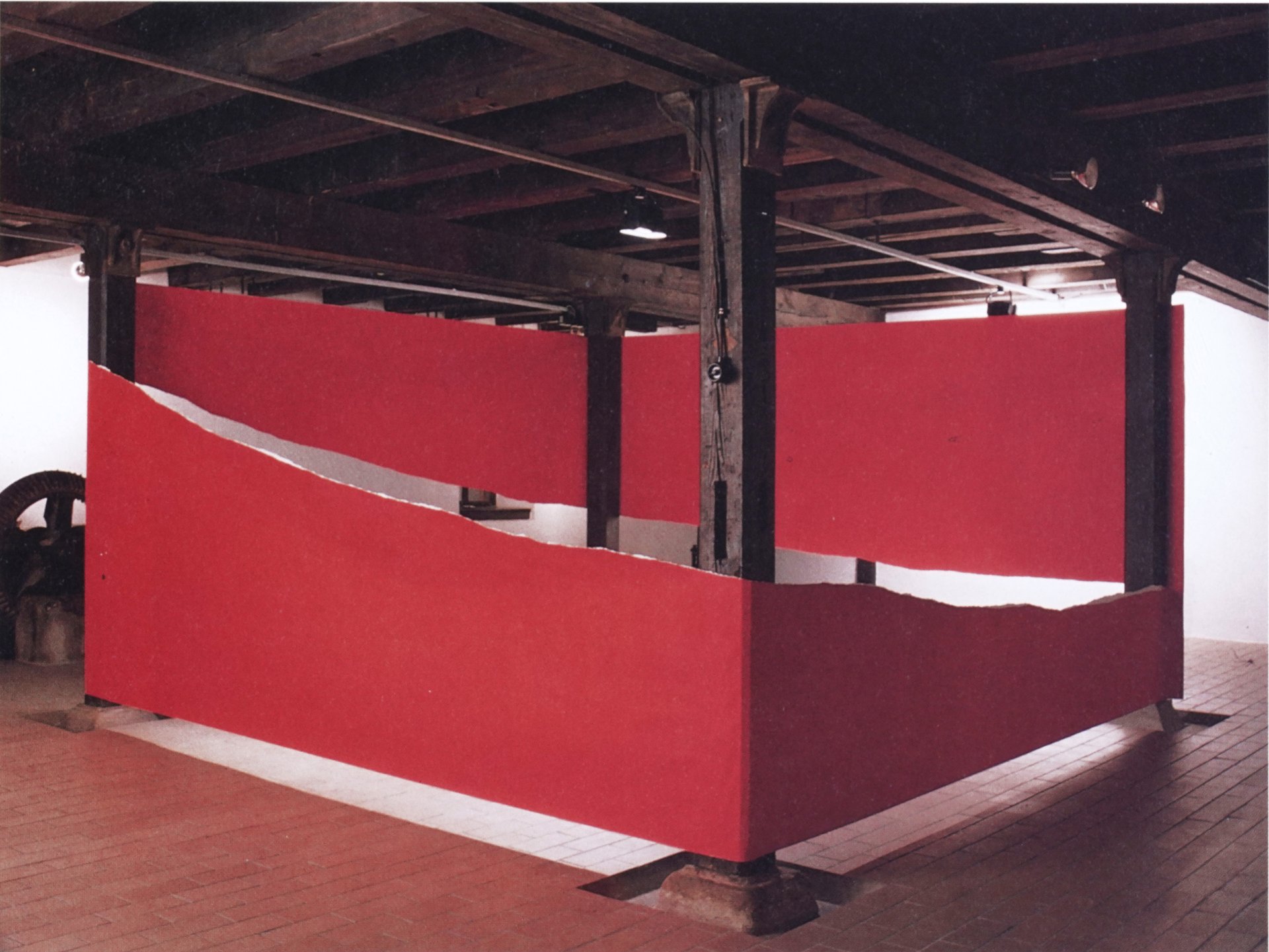
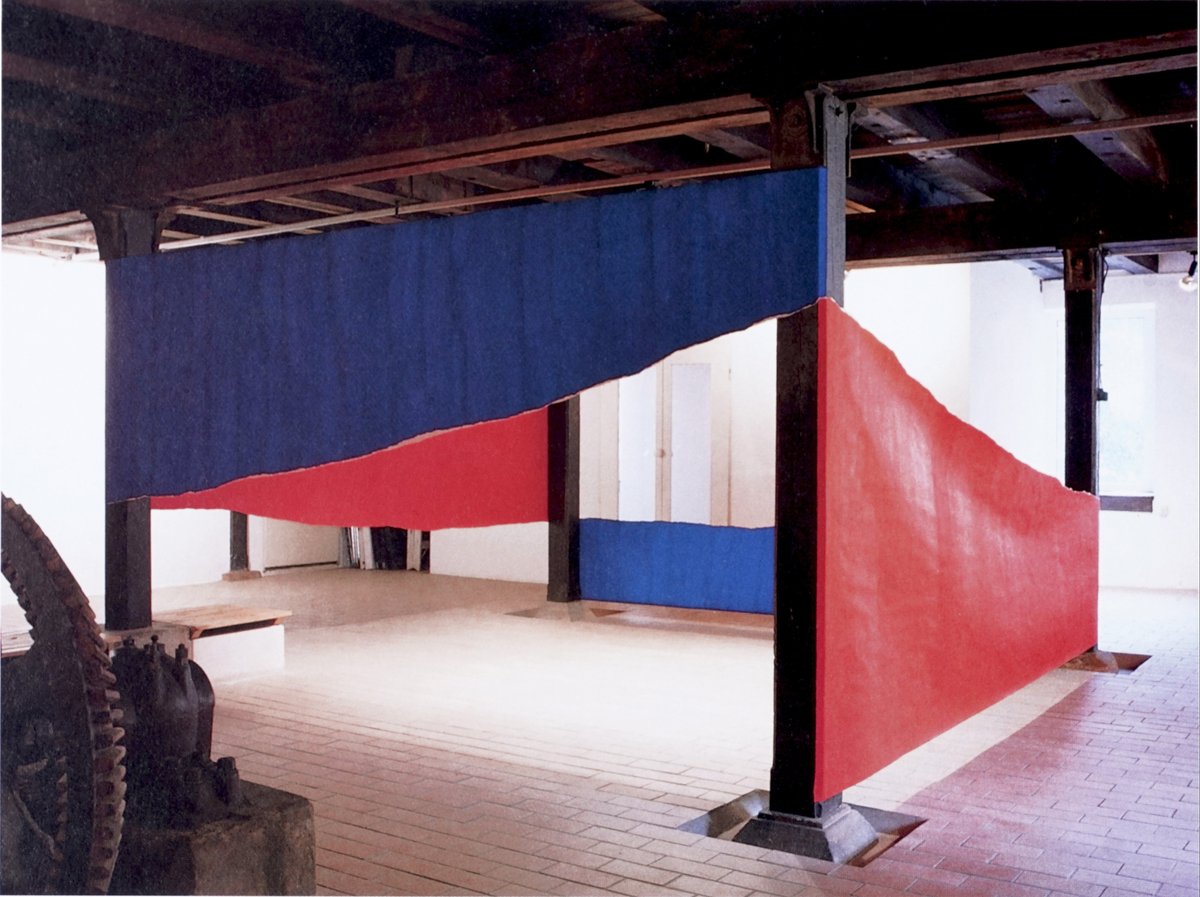
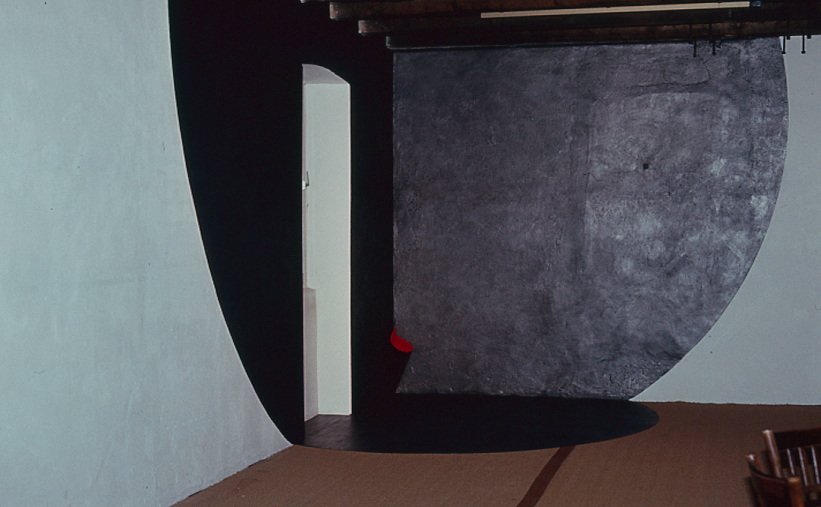
yoko terauchi combines eastern concepts of yin and yang with her approach to sculpture. she transposes the inside to the outside and the outside to the inside, whether in her room installations, her torn drawings, or her early telephone cable works. she amazes us with the technical diversity of 1000-wire telephone cables, which she transforms into a yin-yang work by slitting open the casing and removing the inner strands. the inside becomes the outer, stabilizing base, the former casing the emptied inner shaft. the realization that 1,000 telephone calls were being made simultaneously in this cable is haunting; one believes one can almost hear the voices.